


 844-937-8679


 844-937-8679
Why become a male nurse?
This article was updated on April 16, 2024.

Written by Elizabeth Exline
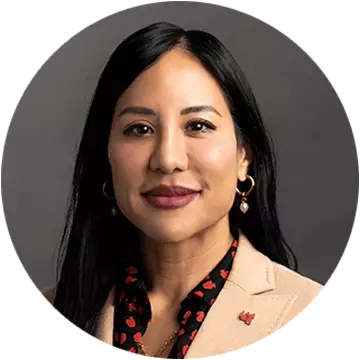
This article was reviewed by Raelene Brooks, Dean, College of Nursing.
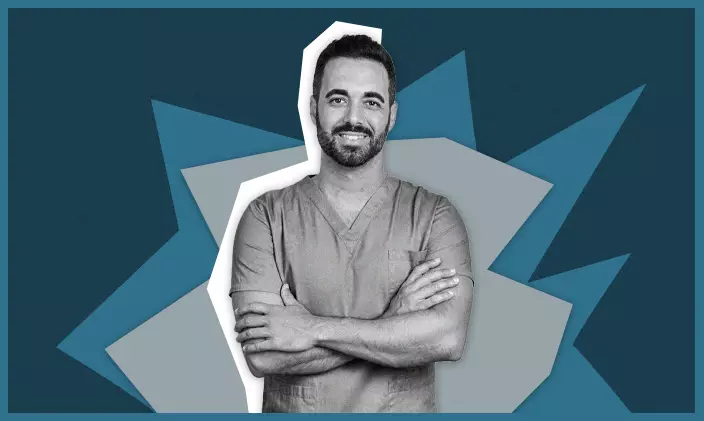
“³³Ü²õ³ŁĢż in 2025, according toĀ theĀ U.S. Bureau of Labor Statistics (BLS). That number, however, has climbed over the decades.Ā TheĀ Ā reports that approximately just 2.7% of RNs were men in 1970.Ā So, what are the benefits of being a male nurse, what are nurse salaries and why do we need more males in nursing in general? Here, we exploreĀ the history and future ofĀ men in this profession.
History of men in nursing
As noted by theĀ , ā€œMen had significant representation in nursing until the 1800s because of the early association between nursing, the military and religious orders.ā€Ā
With the outbreak of the Civil War, however, women steppedĀ in to ā€œfill the gap.ā€ This shifted labor demographics away from nursing professions as a mostly male-dominated industry; by the early 1900s, women essentially dominated the nursing profession. In fact, men were not allowed to serve as nurses in certain groups like the Army Nurse Corps until after the Korean War.Ā
Male nurse statistics
MenĀ in the nursing field followed this pattern, with numbers declining until the 1970sĀ when recruiting and occupational retraining efforts were redoubled to avoid a predicted labor shortage in nursing jobs.Ā
According to the , the United States did see an increase of men working in nursing jobs from 2019 to 2021, but there was a slight decrease in that number from 11.2% in 2022 to 10.4% in 2024Ā
Men who want a career in nursing have plenty of opportunities to join the field, both through various levels of nursing degrees and among different types of nurses. For men who have an interest in healthcare, nursing offers plenty of educational and career pathways.
6 reasons nursing is a great career for men
1. Steady job market.Ā Job growth for registered nurses is projected to continue at a between 2025 and 2035,Ā according to BLS.
BLS Occupational Employment Projections, 2025-2035 is published by the U.S. Bureau of Labor Statistics. This data reflects BLSā€™ projections of national (not local) conditions. These data points are not specific to Ā鶹“«Ć½ students or graduates.
2.Ā A variety of career paths.Ā Whether an aspiring nurse is easily bored or a lifelong learner or looking for a career, nursing fits the bill for men as well.
3.Ģż¹ó±ō±š³ę¾±²ś¾±±ō¾±³Ł²ā.Ā For men looking to balance other interests or even child care with work, nursing offers a tantalizing level of flexibility with the ability to schedule shifts home and family schedules.
4.Ā Standing out for all the right reasons.Ā Men in nursing also bring diversity and fresh perspectives to the table. Their unique presence can foster a more inclusive and collaborative work environment, which could enhance patient care and satisfaction.
5.Ā Men make nursing more accessible.Ā Patients sometimes prefer nurses of one gender or another, which means male nurses answer an important desire from the patient population. By increasing the representation of men in nursing, healthcare facilities can better accommodate patients' diverse preferences, promoting greater comfort and trust in the care they receive.
6.Ā Nursing is a rewarding field.Ā Male or female, nurses get perhaps one of the biggest payoffs out there: being able to heal other human beings.Ā Whether itā€™s comforting a distressed patient, assisting in lifesaving procedures or advocating for better healthcare policies, nurses play a vital role in improving the lives of individuals and communities.
Misconceptions about male nurses
While nursing offers someĀ compelling advantages for men, it doesnā€™t come without a few challenges. Chief among these are the misconceptions that need to be dispelled.Ā
Men are often characterized as less empathetic, compassionate and caring individuals. A common myth that men in nursing also encounter is the idea that they couldnā€™t ā€œhack medical school.ā€ This couldnā€™t be further from the truth. RNs have access to more research opportunities and education.Ā Ā
That said, men in nursing must learn how to navigate the complexities of being a man in a healthcare field dominated by women.
Male nurses also have protocols to followĀ with female patients. Routine procedures like checking incisions or bathing female patients often require a chaperone.Ā Additionally,Ā female patients may prefer female nurses in obstetrics and gynecologyĀ (OB-GYN).Ā
Nurse salary
Like any salary range, that of nursing is subject to experience, geography, area and type of practice. But there are other caveats to consider as well, such as career paths andĀ opportunities forĀ advancement. The level of education can also impact salary.Ā
Registered nurse salary
- Annual salary:Ā As of May 2025, registered nurses made , with a median wage of $97,550, according to BLS.
- Education requirements: AĀ bachelorā€™s degreeĀ is typically required.
- Job outlook: between 2025 and 2035,Ā according to BLS.
The salary ranges are reported by the U.S. Bureau of Labor Statistics and are not specific to Ā鶹“«Ć½ graduates. Further, these national averages may include earners at all stages of their career and may not accurately reflect entry-level wages or variations by region. Your earning outcome may vary. Ā鶹“«Ć½ does not guarantee salary level.
BLS Occupational Employment Projections, 2025-2035 is published by the U.S. Bureau of Labor Statistics. This data reflects BLSā€™ projections of national (not local) conditions. These data points are not specific to Ā鶹“«Ć½ students or graduates.
Why now is the time to be a male nurse
If the previous 50 years are anything to go by, nursingĀ couldĀ continue to attract more and more men in the coming years. And this, pretty much everyone agrees, is a good thing.Ā Having strong male figures in education andĀ males in the field createsĀ aĀ mutually beneficialĀ situation.Ā NursingĀ itself would gain a more equitable balance between genders, while men could tap into the flexibility and earning potential that nursing affords.Ā
The most in-demand skills for a career in healthcare arenā€™t necessarily what one might think. Technological aptitude, big-picture thinking and empathy are just a few examples of what healthcare careers require these days. And those are all qualities men and women alike bring to the table.
Explore educational options for male nursesĀ
Ready to make your next move in nursing?Ā Ā鶹“«Ć½ offers nursing programs that include:
- Master of Science in Nursing
- Master of Science in Nursing/Family Nurse Practitioner
- Master of Science in Nursing/Psychiatric Mental Health Nurse Practitioner
- Nurse bridge program
- Doctor of Nursing Practice
Need more information? Contact Ā鶹“«Ć½.
What is it like to be a male nurse?
For Randall Hamilton, DNP, FNP-BC, theĀ interest in nursing among men is not surprising. Hamilton is the former academic director of UOPXā€™sĀ Doctor of Nursing Practice (DNP) program. Today, he serves as an associate faculty member in UOPXā€™s College of Nursing., and heā€™s been in the field since he started out as a nursingĀ assistant in 1977. The impact nurses had on peopleā€™s lives resonated with Hamilton, and so did another interesting aspect of nursing.
ā€œI recallĀ [seeing], even at that early age of 19 or 20, the respect [nurses] had from patients and physicians, and I remember that being a goal early on when thinking about my career path. Back then, it was unusual for a male to become a nurse,ā€ Hamilton recalls. ā€œPeople would ask, ā€˜Why didnā€™t you become a doctor? Did you fail at becoming a doctor and then go into nursing?ā€™ā€
This line of questioning has diminished over the years, HamiltonĀ acknowledges, and overall, his clinical experiences have been positive.Ā Yes,Ā he saysĀ men in this job tend to get assignments that require heavy lifting andĀ sometimes evenĀ combative patients, but heā€™s never seen that as a problem. ā€œIt was just the strategy, more or less, toĀ care for patients,ā€ he adds.Ā


ABOUT THE AUTHOR
Elizabeth Exline has been telling stories ever since she won a writing contest in third grade. She's covered design and architecture, travel, lifestyle content and a host of other topics for national, regional, local and brand publications. Additionally, she's worked in content development for Marriott International and manuscript development for a variety of authors.
ABOUT THE REVIEWER
Dr. Raelene Brooks, dean of the College of Nursing, has been a registered nurse for more than 25 years and practiced extensively in the areas of ICU, trauma and critical care.Ā Her publications include a focus on nursing education, critical care, and organizational wellness and engagement. She is a leader in creating, guiding and launching innovative curriculum.

This article has been vetted by Ā鶹“«Ć½'s editorial advisory committee.Ā
Read more about our editorial process.